
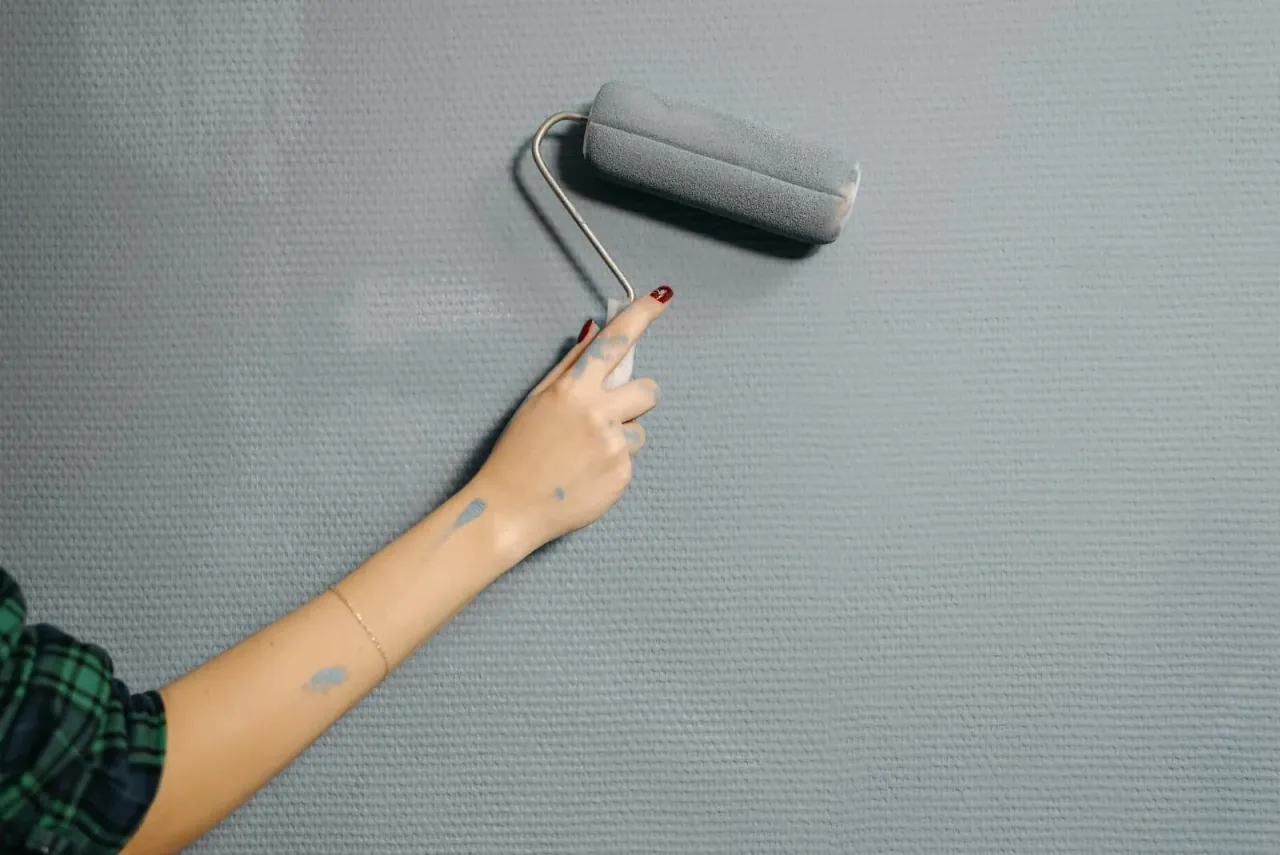
No matter how successful a paint job is, it will be affected by mechanical, chemical and UV stress over time. The right maintenance routine extends that lifespan meaningfully. This article provides a practical care plan for both interior and exterior surfaces.
Basic principles of maintenance
Care comes down to four simple rules:
- Start with the gentlest method possible. Move to abrasive only if needed.
- Assume dirt is fresh. Late cleaning requires more aggressive chemicals.
- Test in a hidden area first. Fading or staining can be a risk.
- Match maintenance to the paint type. Matt and glossy paints have different sensitivities.
Interior care: what to do and how often
A typical annual maintenance schedule looks like this:
- Weekly: dry dusting; light wipe with a microfibre cloth if needed.
- Monthly: spot cleaning around high-touch areas (light switches, door frames) with a pH-neutral solution.
- Every 6 months: a gentle wipe of the entire wall; check for scratches.
- Yearly: local touch-ups in heavily used spaces; check for cracks or blistering.
The right technique for washable paints
Many users interpret "washable" as "anything comes off." The reality is different.
- Use a soft sponge with a neutral detergent.
- Wipe the stain from the centre outward with light pressure.
- Pressing too hard creates burnishing (a sheen difference).
- After cleaning, wipe again with a clean damp cloth to remove detergent residue.
What to watch when doing a local touch-up
For small scratches, painting the entire wall is often unnecessary. Still, a few details ensure the result looks seamless.
- Keep the same batch can — otherwise colour will shift.
- Use the same application method (a wall painted by roller will show a brush mark).
- Keep the thinning ratio identical to the original application.
- Feather the small area outward gently; never leave a sharp border.
Annual care for exterior surfaces
Exterior facades face far harsher conditions than interiors. The following annual tasks are recommended:
- Rinse moss, lichen and dust deposits with low-pressure water.
- Inspect joints and corners for cracking; correct early with flexible mastic.
- Check water drainage paths at parapets and sills.
- Instead of full repainting every 3-5 years, consider an intermediate refresh coat.
Quick problem-and-solution guide
Brief responses to common issues:
- Light yellowing: a neutral detergent wash is usually enough.
- Hairline cracks: fill with flexible filler and apply a local touch-up.
- Blistering: assume moisture underneath; resolve the source first.
- Colour fading: refreshing the whole wall is more consistent than local repair.
- Grease stain: alkaline cleaner first, then a stain-blocking primer and local touch-up.
Tips for low-maintenance walls
A few decisions at the start make long-term upkeep much easier:
- Use the washable series in high-traffic areas.
- Lighter colours hide dust longer, but show stains; very light tones make stains too visible.
- Keep a small touch-up jar of the same batch for later years; it is the simplest insurance.
Maintenance is far easier and cheaper than repainting. Small routines deliver years of freshness.