
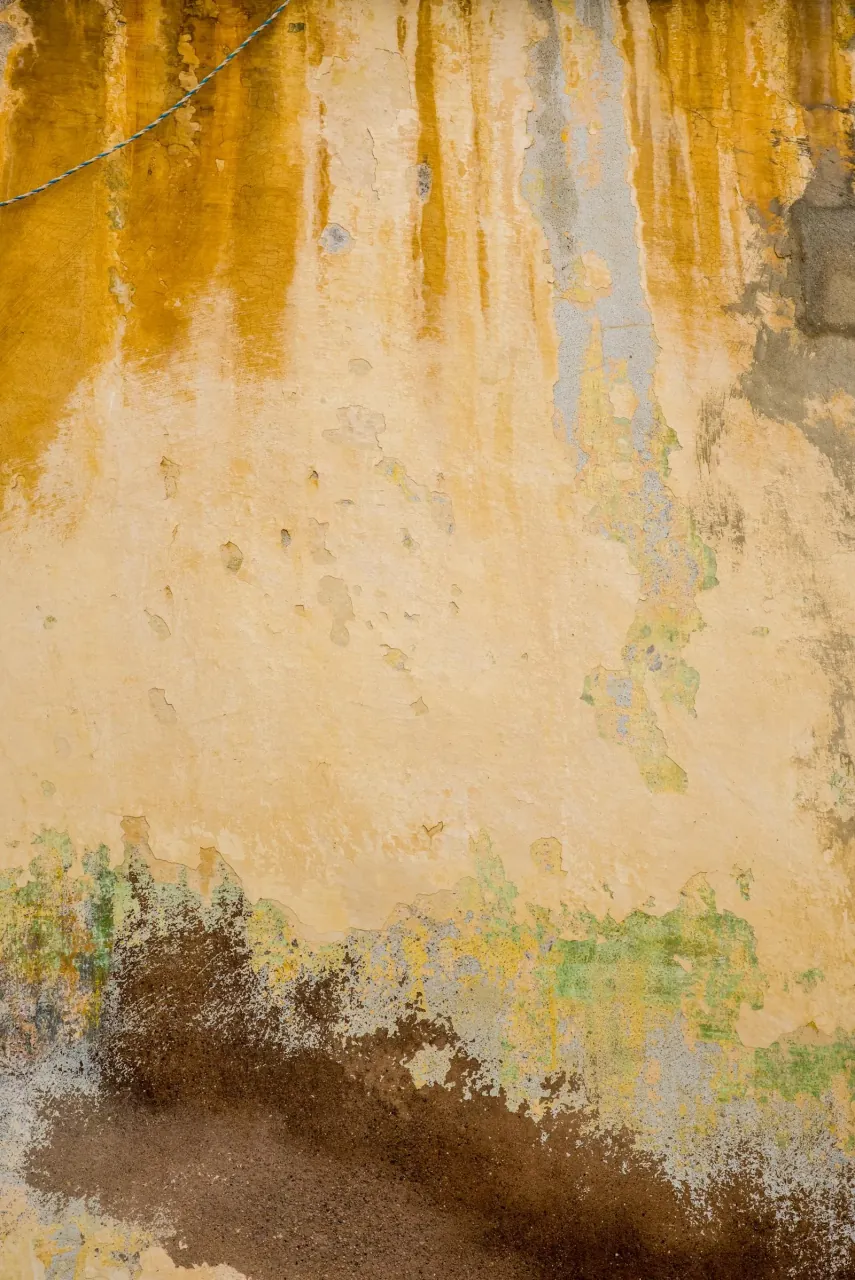
Mould is more than a cosmetic problem; it threatens air quality, health and building integrity. Painting over the visible surface cleans only the appearance and may make things worse, because spores remain active underneath. This article outlines the steps needed for a lasting fix.
Where does mould come from?
Mould forms when moisture lingers on building components for long periods. Typical sources include:
- Insufficient ventilation: especially in bathrooms, kitchens and closed pantries.
- Water leaks: roof, balcony, bathroom floor or plumbing.
- Vapour condensation: when insulation is poor, water condenses on cold surfaces.
- Basement moisture: groundwater infiltration.
- Indoor laundry drying: drying indoors raises humidity rapidly.
Before fixing the symptom, identify the dominant source.
Order: source first, surface second
Proper remediation always follows this sequence:
- Identify the moisture source: where does it come from?
- Resolve the source: repair, insulation, ventilation.
- Clean the surface: apply a mould treatment product.
- Dry the surface: natural ventilation for enough time.
- Apply the correct system: anti-mould primer and a breathable topcoat.
When this order is broken, every renewal lasts only as briefly as the previous one.
How to clean effectively
When treating mouldy areas, health precautions come first.
- Use a mask, gloves and goggles.
- Open windows and doors to ventilate.
- Brush off the loose residue with a soft brush.
- Apply the manufacturer's biocide / fungicide at the recommended contact time.
- Rinse with plenty of water.
- Do not paint until the surface is fully dry.
Household bleach (sodium hypochlorite) alone is not a lasting solution; it whitens the visible part but does not eliminate the roots.
Choosing the right system
Mould-resistant products contain biocides or fungus-resistant resins.
- Anti-mould primer: provides deep passivation of the surface.
- Silicone-modified matt topcoat: water-repellent while maintaining vapour permeability.
- Pigmented rather than pure white: darker tones may delay the visibility of mould; light tones are still common for aesthetic reasons.
In high-humidity areas, a standard interior paint alone is not enough. A breathable, water-resistant system is required.
Extra tips for bathrooms
Bathrooms are where mould appears most often. The following habits reduce the risk significantly:
- After a shower, keep the extractor fan on for 10-15 minutes.
- Open the window every day if possible.
- Inspect silicone joints yearly.
- Always pick a washable + anti-mould product.
- Watch for blue-green colouring on northern walls; a cold surface plus vapour means condensation.
Habits that prevent recurrence
Daily routines also help prevent recurrence.
- Run the cooker hood on high while cooking.
- Avoid drying laundry indoors; use the balcony or outdoors.
- Cross-ventilate at least twice a day for 10 minutes.
- Don't fully close the bedroom door at night; airflow helps.
When do you need professional help?
If mould exceeds 1 m² or appears in multiple rooms, the cause is likely structural. In these cases, an expert in insulation, vapour barriers and joinery is recommended. Surface-only solutions no longer suffice; if delayed, paint renewal costs increase multifold.
Fighting moisture is a matter of timing. Early intervention is small and cheap; ignored, the same problem returns larger.