
It is fair to say that painting is 70 percent preparation and only 30 percent application. Whether primer and topcoat last for years depends on a substrate that is sound, clean and dry. The guide below offers a practical checklist that works on new buildings and over old paint.
Read the surface correctly
Before you open a can, take a real look at the wall and ask yourself:
- Are there loose, flaking or peeling areas?
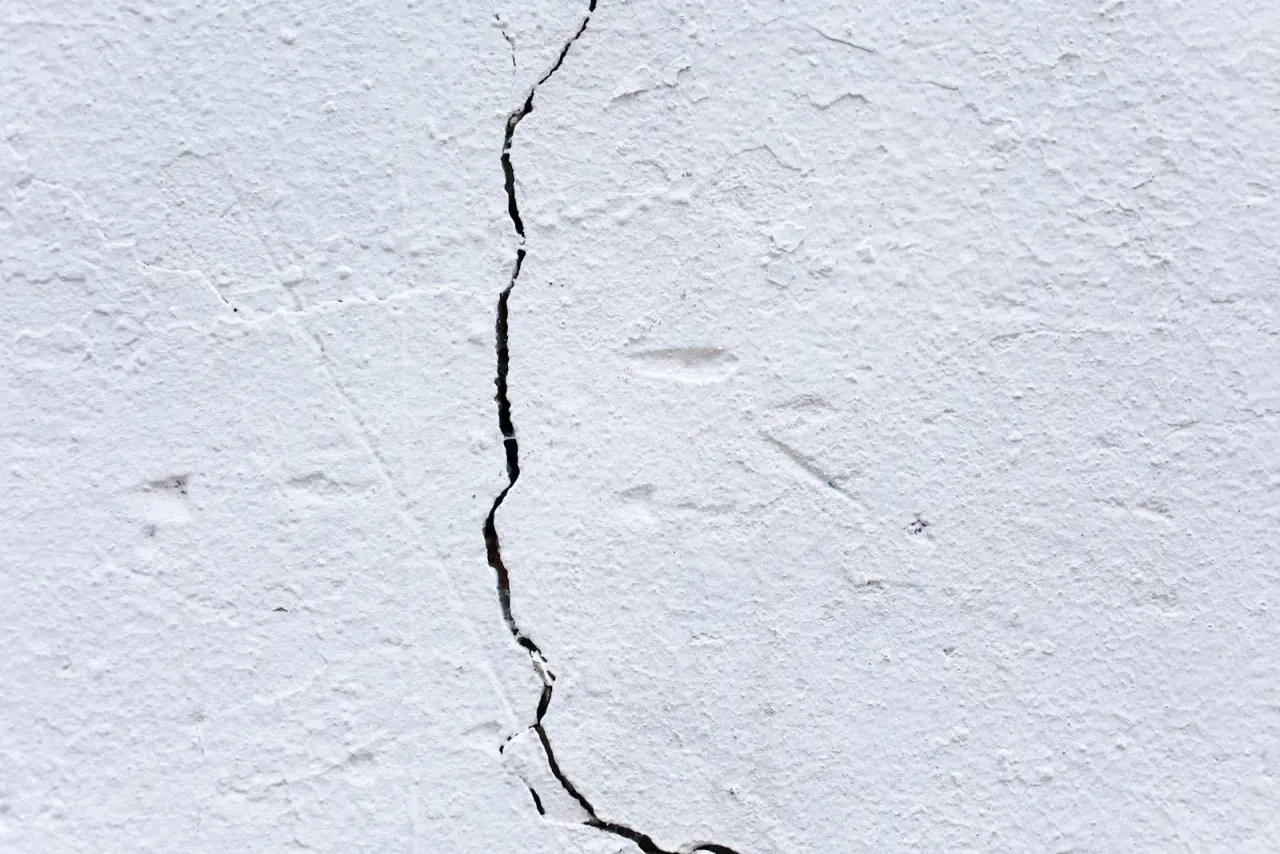
- Are the cracks only superficial, or deep and structural?
- Does the plaster dust off when you press it with your finger?
- Is there any sign of mould, stains or water marks?
These observations determine which repair steps and which primer are required. If you skip them, the issues simply grow under the fresh coat.
Remove weak layers
Old paint that is poorly bonded will take any new coat with it.
- Scrape off all peeling and flaking areas with a putty knife or wire brush.
- Sand glossy oil-based surfaces to a matte finish with 180-220 grit paper.
- Rinse chalked exterior surfaces with water and let them dry.
Fill cracks and holes
Use a flexible filler for small surface cracks and a fibre-reinforced filler for wider gaps. Structural cracks need more than filler; reinforcement mesh systems are recommended. Once the filler has fully dried, smooth it down with around 240 grit paper.
Solve moisture and mould at the source
If you paint without removing the root cause, the same problem will simply return larger.
- Find and repair leaks (pipes, insulation, roofing).
- Treat existing mould with a fungicide and respect the recommended contact time.
- Never prime until the surface is fully dry. An electronic moisture meter helps.
Remove dust and grease
The most frequently neglected step is surface cleaning. Paint film cannot bond to grease, silicone or dust.
- Sweep and wipe with a damp cloth to remove coarse dust first.
- For kitchens, use an alkaline cleaner at the dilution recommended by the manufacturer.
- Rinse with plenty of water afterwards. Detergent residue ruins primer adhesion.
Choose the right primer
Primer is not just an extra coat. It is the bridge that defines the performance of the topcoat.
- Suction-regulating primer for new plaster and skim.
- Stain-blocking primer for nicotine, water stains and similar issues.
- Adhesion primer for slick, glossy old surfaces.
- Silicone-modified primer for exterior systems, as per the technical data sheet.
Final check before application
Before you load the brush or roller, run through this short list:
- Surface is free of loose particles.
- All cracks are filled and sanded.
- Moisture source is fixed and the surface is fully dry.
- Dust, grease and silicone are removed.
- The correct primer and thinning ratio are selected.
- Ambient temperature and humidity are within the manufacturer's range.
Skipping any of these may save you a few hours; it usually costs you a few years. A well-prepared surface is invisible later, but its impact is felt every day for the life of the coating.