
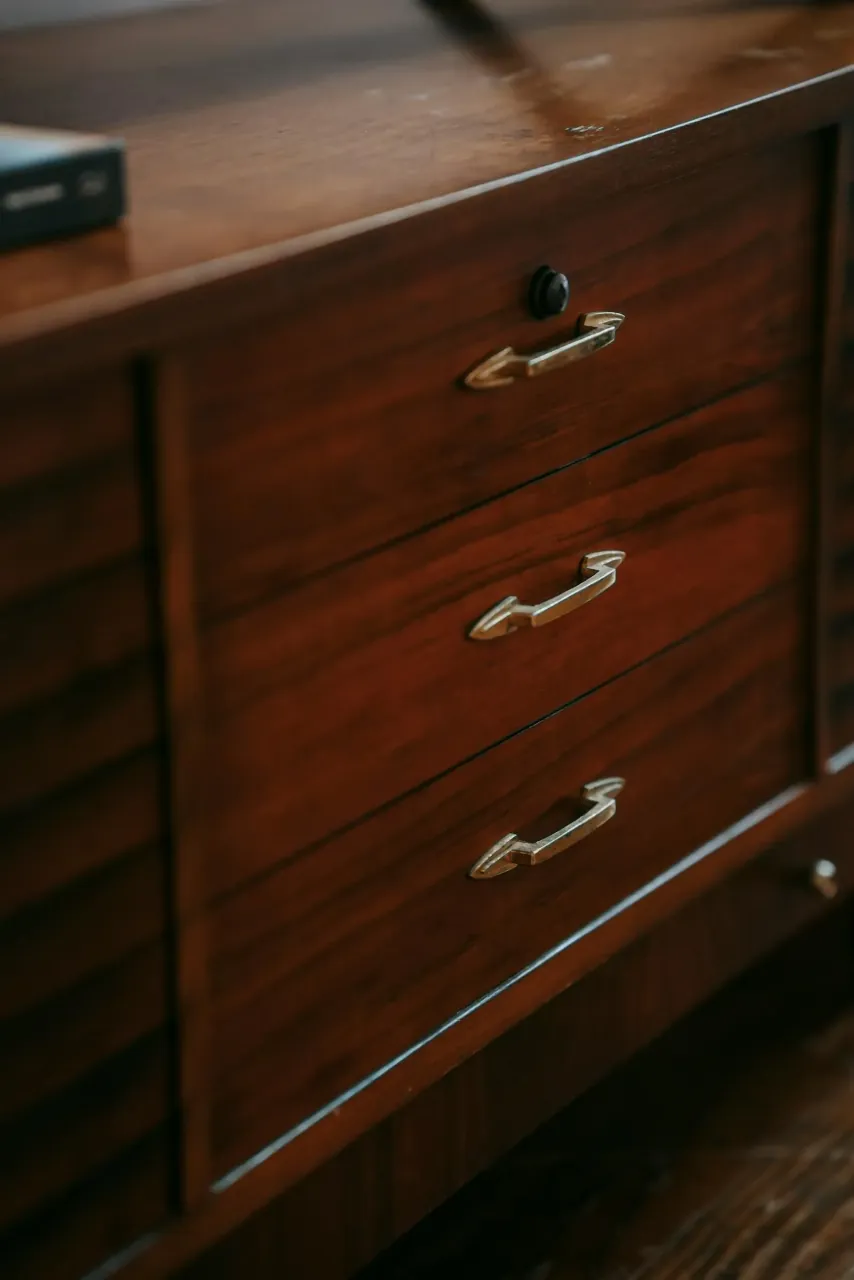
Wood is a breathing material. It flexes, cracks or darkens over time when exposed to water, UV, temperature change or insects. A good protection system respects the nature of the wood; this article offers a practical plan for both indoor and outdoor wooden surfaces.
What ages wood
The ageing process is rarely caused by a single factor. Key causes are:
- UV: lignin breakdown leading to fading and greying.
- Water: swells fibres; freeze-thaw cycling leads to cracking.
- Fungi and insects: spread quickly in damp, closed environments.
- Temperature change: creates expansion and contraction stress.
- Mechanical wear: thin spots in high-contact areas.
The three layers of the system
An effective wood protection system has at least three layers.
1. Primer / penetrating protector
- Goes deep into the wood fibres.
- Formulations with fungus and insect resistance are recommended.
- Provides the bond and suction balance for the next coats.
2. Intermediate or bridge coat
- Fills gaps, reduces roughness.
- Pigmented intermediates are used in some systems for colour depth.
- Adds flexibility, reduces cracking risk.
3. Topcoat: varnish or thick-film oil
- Provides visible protection against UV and mechanical wear.
- Sheen can be matt, eggshell or gloss.
- High-flex products like yacht varnish are preferred for exterior use.
Solvent-based or water-based?
The two main groups have different benefits:
- Solvent-based: deeper penetration, traditional look; longer drying time and stronger odour.
- Water-based: low odour, fast drying and low VOC; less likely to alter the natural tone of the wood.
Water-based systems are increasingly preferred for indoor furniture; for facades and harsh wind/sun conditions, solvent-based systems still offer advantages.
Application: details that matter
Unlike paint, wood has grain and structure. Don't skip these rules during application:
- Always apply along the grain.
- Smooth the surface first with fine sandpaper (180-220 grit).
- Always remove dust; wipe with a static cloth.
- Lightly sand between coats (320-400 grit) for better film adhesion.
- Respect the manufacturer's recoat interval when applying successive layers.
Extra protection for outdoor wood
Outdoor wood needs extra precautions versus interior:
- Use a UV-filtered, flexible topcoat.
- Feed water-collecting horizontal sections (handrail tops, etc.) with extra oil.
- Fungus-resistant primer is mandatory.
- Applying a light maintenance coat every 1-2 years is far cheaper than full renewal.
Maintenance schedule
Wood has no "one-time" solution; regular maintenance extends any system.
- Every 3 months: dry dusting and visual inspection.
- Yearly: light oil-cloth maintenance (for furniture); wash for facades.
- Every 2-3 years: refresh coat on outdoor wood.
- Every 5-7 years: full system renewal (sand + primer + topcoat).
Conclusion
Wood lives for decades when protected correctly. A wrong product choice or a skipped maintenance step, however, can produce hard-to-fix damage within a year. The system approach respects the wood's nature most.